
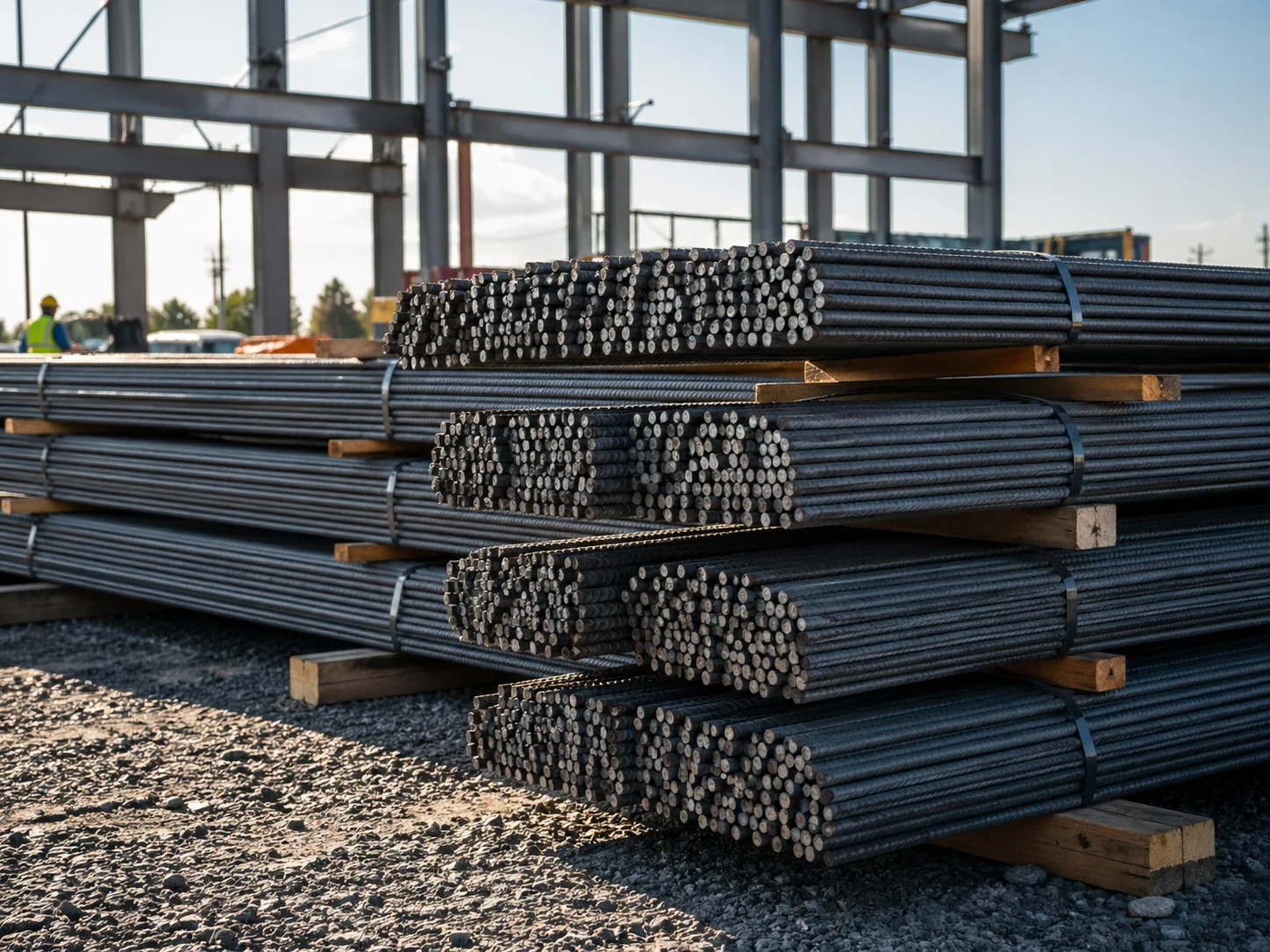
Reinforcing bars, commonly known as rebars, play a critical role in strengthening concrete structures. Because rebars are exposed to site conditions before installation, proper handling and storage are important to maintain material quality and prevent unnecessary rust or damage.
Rust usually begins when steel is exposed to moisture, ground contact, poor ventilation, or improper stacking. While light surface rust may be common on construction sites, excessive rust can weaken the steel surface, affect bonding with concrete, and create quality concerns during inspection.
To prevent rust before it starts, rebars should be stored in a clean, dry, and elevated area whenever possible. Avoid placing steel directly on soil, wet flooring, or areas where water can collect. Using wood blocks, pallets, or steel supports helps keep the bars off the ground and improves air circulation.
Proper covering is also important. Rebars should be protected from direct rain, but the cover should not trap moisture. Tarpaulins or protective sheets should be arranged in a way that allows ventilation. Fully sealing damp steel can sometimes make corrosion worse.
When handling rebars, workers should avoid dragging them through mud, standing water, or rough surfaces. Bars should be lifted, carried, or moved using proper equipment to prevent bending, contamination, or damage. Bundles should also be stacked neatly based on size and type for easier identification and safer site movement.
Simple site practices can help protect rebar quality:
- Store rebars above ground level
- Keep steel away from standing water and mud
- Use proper supports, pallets, or dunnage
- Cover materials while allowing airflow
- Stack bars by size, length, and grade
- Avoid dragging or dropping rebars
- Inspect materials before installation
Maintaining good rebar storage practices helps protect the strength, appearance, and reliability of construction materials. With proper handling, contractors can reduce waste, avoid rework, and ensure that steel reinforcement remains ready for safe and proper installation.